A Complete Guide to Managing Volunteer Selection Meetings Like a Pro
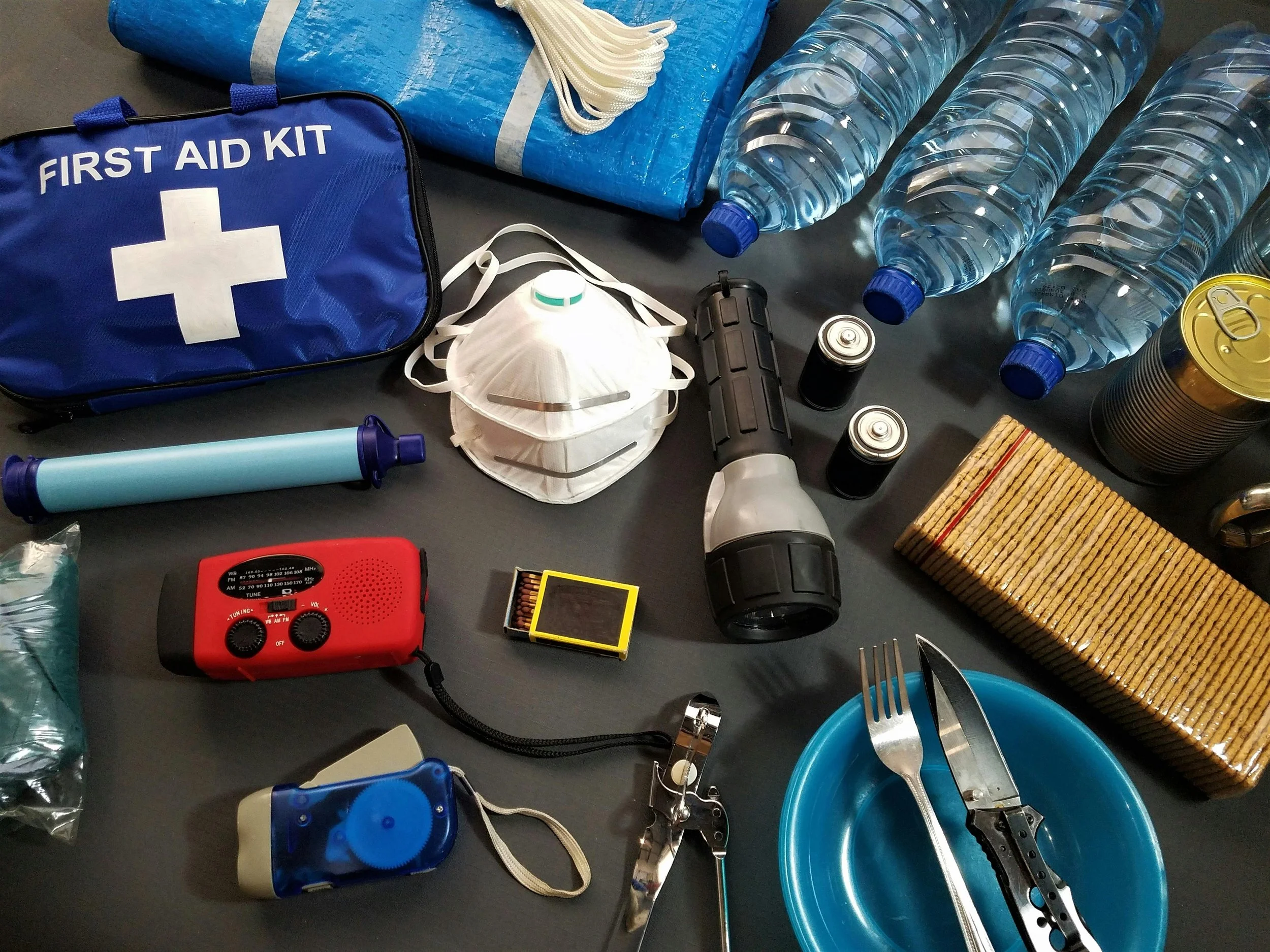
I don’t know what’s going on in your social media algorithm these days, but I’m getting a lot of “disaster prep” content.
I think it started back in January when we had back-to-back ice and snow storms. We aren’t used to extreme weather here in Durham, North Carolina, so everyone was panicking.
I just wanted to know how to stay warm if we lost heat for a few days. But now my social media is targeting me with all kinds of disaster prep videos.
I’m starting to see the appeal of having emergency kits, a family-sustaining garden, and an off-grid lifestyle (the algorithm got me 😬), but it’s because I’m a person who likes to have my sh*t together in case something unexpected happens.
I want to have as much control as possible over situations so that my people have what they need when they need it.
Switch to scholarship season, and this desire to prepare and maintain control comes out STRONGLY when I’m managing selection committees.
I want everyone to enjoy their experience.
I want everyone to understand why they’re there and what’s expected of them.
I want everyone to have everything they need to complete their job easily.
I want to prepare for any last-minute changes or needs.
Call me a scholarship season prepper, if you want. New algorithm unlocked!
Volunteer Experiences Impact Long-Term Program Success. Why You Need to Get It Right
When you have a positive experience somewhere, you tell people about it. You sign up to go back. You bring more people with you the next time. You make it a routine commitment. You become a champion.
The math is simple:
Good selection season and committee preparation = positive volunteer reviewer experience.
Positive volunteer reviewer experience = repeat volunteers.
Volunteer retention = increased institutional knowledge, community buy-in for your programs, donor and board prospect pipelines, less recruitment work for staff each year, and so much more.
Give people a good experience and they come back in more ways than one. That’s it.
All you need to do is invest in your team’s capacity so they can do this work effectively.
A Complete Guide to Managing Volunteer Selection Meetings Like a Pro
We’ve talked about committee recruitment, training, and stewardship in previous blogs, all critical to creating a positive volunteer experience that will bring folks back year and year. Check those out on our website.
For this newsletter, we are going to offer strategies for preparing for and managing selection meetings.
Create Your Committee Email Templates
Doing this in advance, when you have the time and brain power, will save you so much time. Your future self will LOVE you.
Here are a few templates you’ll want to save in a document, email drafts, or in Quick Parts for Outlook users:
Committee Meeting Confirmation: Include the high-level agenda, materials to review, and access information for the meeting (in-person or virtual). Tip: Create a reminder version of this email to send a day or two before the meeting.
Meeting Debrief Email: Thank everyone for their participation, review decisions from the meeting, follow up on any questions or concerns from the meeting, and include information about any next steps.
Season Debrief Email: Thank everyone for their participation (yes, again!) and share any takeaways from the scholarship cycle: students selected, dollars awarded, demographic information, or patterns in reported needs or challenges. Include quotes from recipients if possible.
Send a Pre-Meeting Prep Packet
What does your committee need to come prepared to the meeting? This might include a high-level agenda, a reminder of the scholarship(s) being discussed, an applicant "snapshot" with pertinent student details, and your training guide as a reminder about implicit bias and committee member expectations.
Structure Your Agenda
Here are a few tips for a successful selection meeting agenda:
Allow buffer time for latecomers, travel or tech issues. Something always comes up, and you don’t want that to derail the rest of your time together.
Structure introductions with a brief connection point. Ask everyone to describe their review experience in one word or to share a reason they enjoy working with students.
Re-share important points from training, such as implicit bias and confidentiality reminders.
Remind everyone of your goal. What’s the purpose or mission of the scholarship(s) you are reviewing? How many students are you selecting and how much money is being awarded?
Start with easy decisions or “quick wins”. These might be a batch of applicants that obviously scored much lower or much higher than others, and lengthy discussion is unnecessary because decisions are clear. Present these groups, ask for consensus, and move on.
Create a structure for focused discussion and keep time. This is where things can get out of control. You need to discuss 15 applicants with the same score, but can only select five to be awarded. Employ different strategies to move the discussion along and not get stuck. If you know how many applicants there are to discuss and how much time you have, set a timer for each applicant that signals to the group to move on. Remind the group of donor intent or criteria preferences that may be used for tie-breaking between students. If there’s no consensus after discussion of a student or group of students, ask for a vote and use a simple majority for decisions.
Celebrate and outline next steps. Once the final selection is made, take a moment to congratulate the group. Share any next steps they need to take, or when they can expect to hear from you again. This is a great time to invite feedback as well.
Complete Your Follow Ups
Use those email templates you created earlier in the season. Update them with data from this year’s selection cycle and recipients. You can find a sample email here.
Additionally, if there were any questions or concerning points during your meeting, make a plan to reach out to the committee member to discuss it. Share resources and education if needed, or bring another colleague or student to have a conversation.
We work with scholarship providers every year to build stronger committee processes, from recruitment to training to selection meeting management. If you want a thought partner before your next committee cycle, we're here.
Check out our past newsletters and blog posts on committee recruitment and training, or subscribe to the Scholarship Station podcast for more conversations about what's working in the field.